LATEST NEWS

The latest with EduPsyched

We’ve just launched new advocacy templates, updated our NDIS toolkit, and released visual research on systemic barriers.
Follow our policy submissions, pilot projects, and survivor-authored tools for real-time updates on structural reform.

message us now message us now


If your child is being suspended repeatedly — especially if they have ADHD, autism traits, anxiety, or emotional regulation challenges — you are not alone. Many families feel overwhelmed, frustrated, and unsure how to help. This page is designed to give you clarity, confidence, and a practical path forward.


When families, educators, and professionals first come across our work at Psyched Education, they often ask: Why “Psyched”? The word is usually associated with excitement, energy, or psychology. For us, it means all three—and more.

Psyched is about preparing people for change. It’s about building confidence in families and learners who often feel unheard. It’s about equipping communities with the strategies they need to navigate complex systems like schools, healthcare, and the NDIS.


Why Teachers Are Burning Out—and Neurodivergent Students Are Still Being Punished

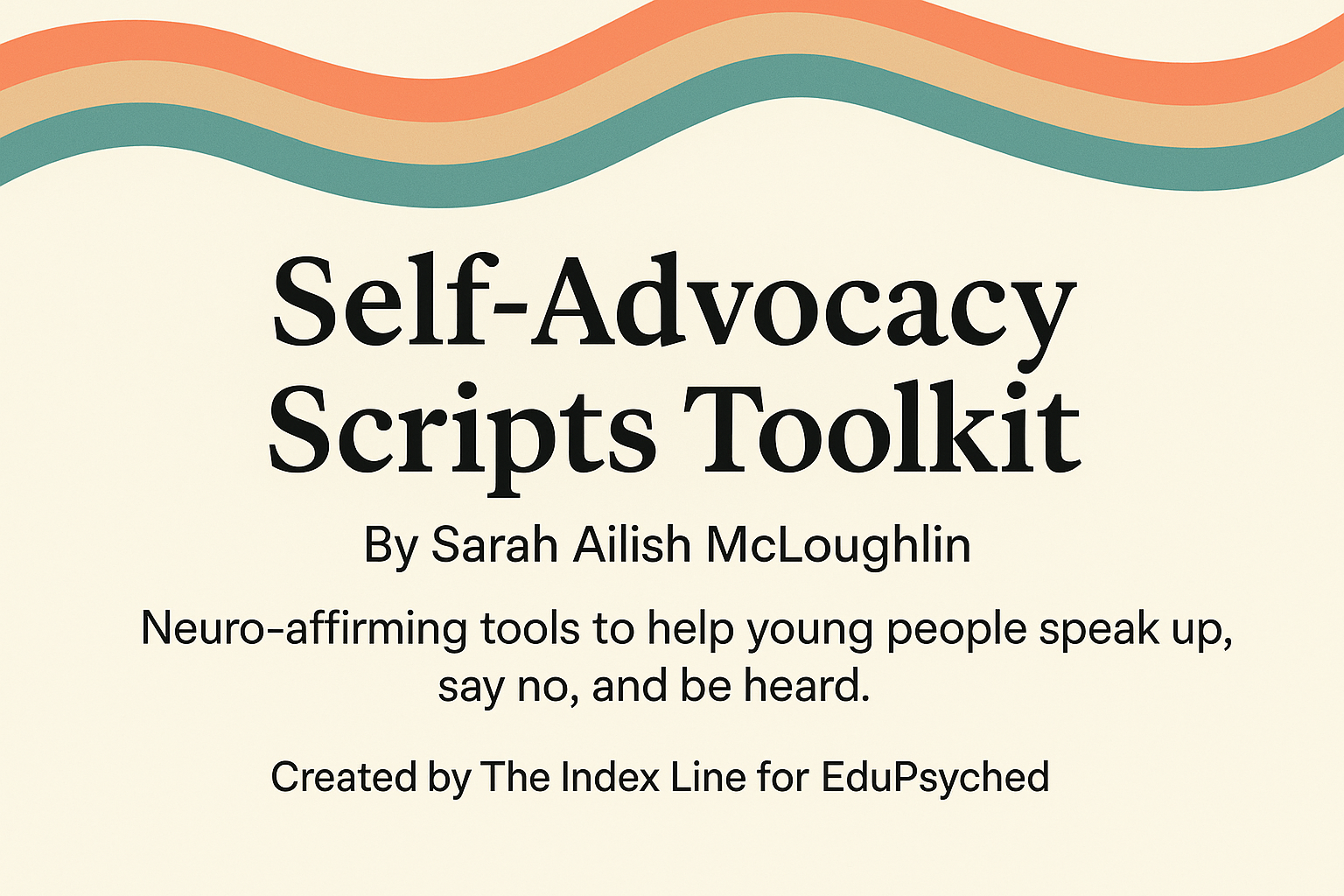
Self-Advocacy Scripts Toolkit

Self-Advocacy Scripts Toolkit

This toolkit will center everyday communication power:

“I can say what I need. I can ask questions. I can disagree. I can protect my energy.”

Neurodiversity in Classrooms

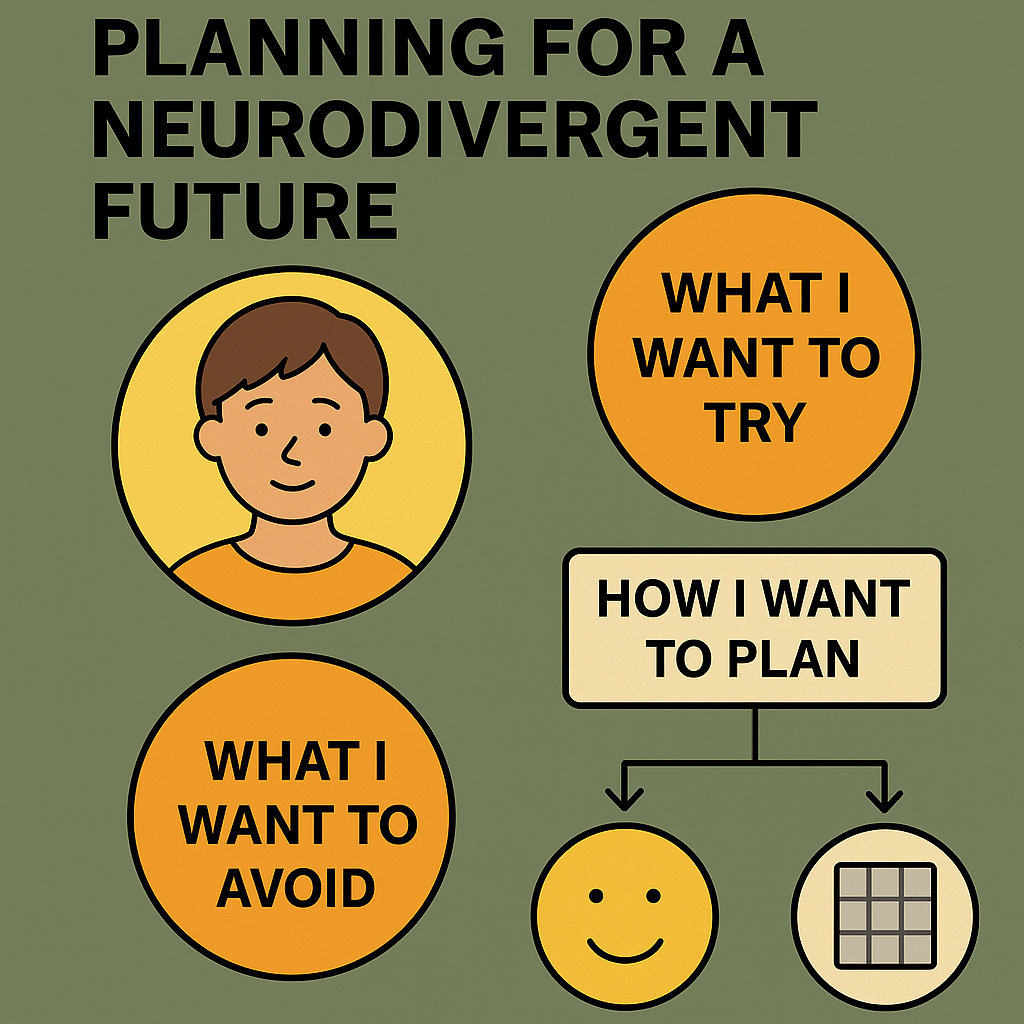
Neurodivergent Visual Planning Toolkit

Neurodivergent Visual Planning Toolkit

Created for neurodivergent thinkers who plan differently — by The Index Line for EduPsyched.

Who Speaks for the Silent? Educational Rights for Non-Verbal Students in Australia

Executive Function Isn’t a Character Flaw. It’s a Missing Blueprint

Executive Function Isn’t a Character Flaw. It’s a Missing Blueprint

You set the reminder.
You wrote the list.
You even wanted to do the thing.
But somehow—it still didn’t happen.

And now you’re spiralling:
"Why can’t I just get it together?"
"Am I lazy? Am I broken?"
"Why do other people make this look so easy?"

Here’s the truth:
You’re not broken.
You’re not lazy.
You’re running a complex system without the blueprint.

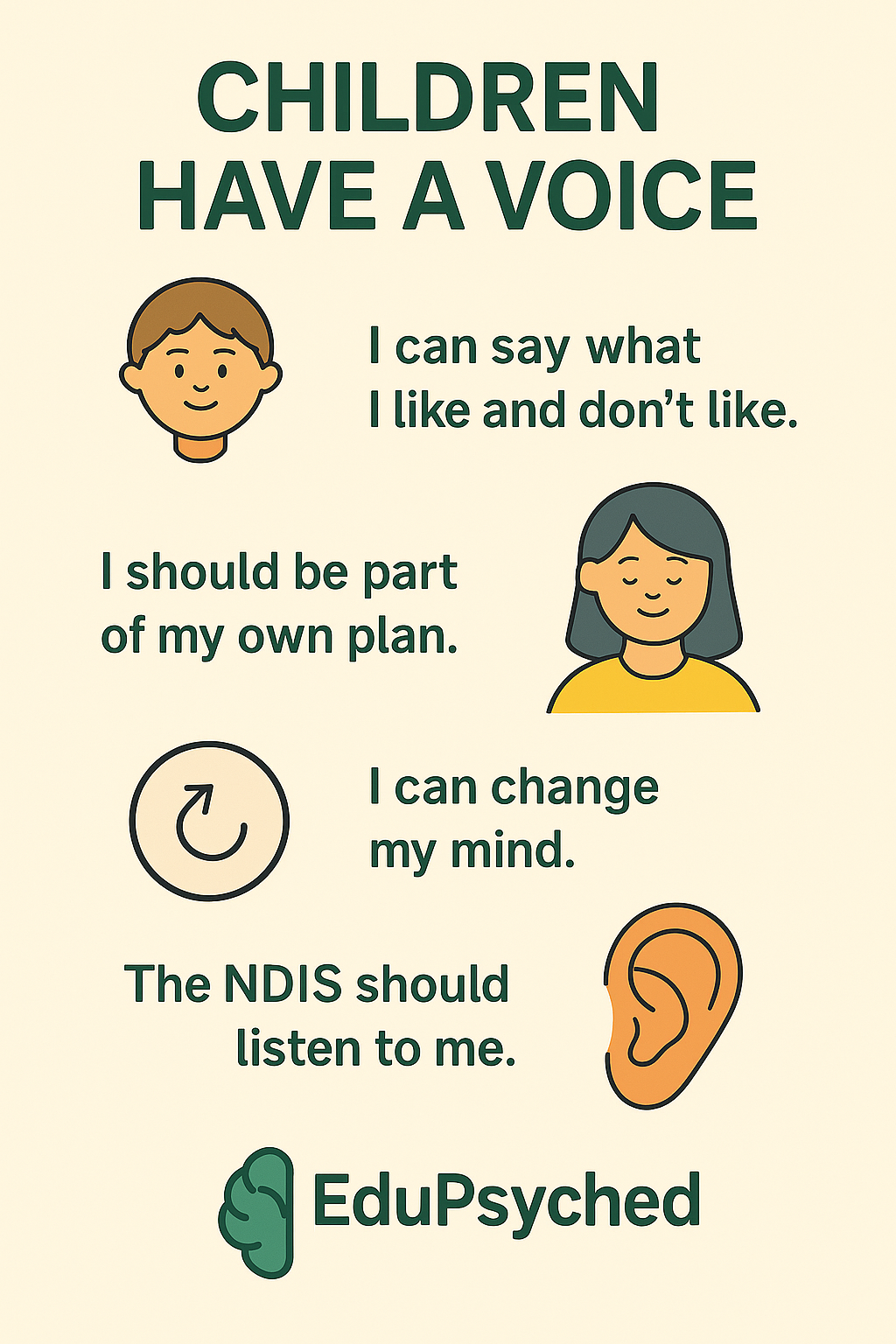
The NDIS Should Listen to me

The NDIS Should Listen to me

Child Agency Toolkit

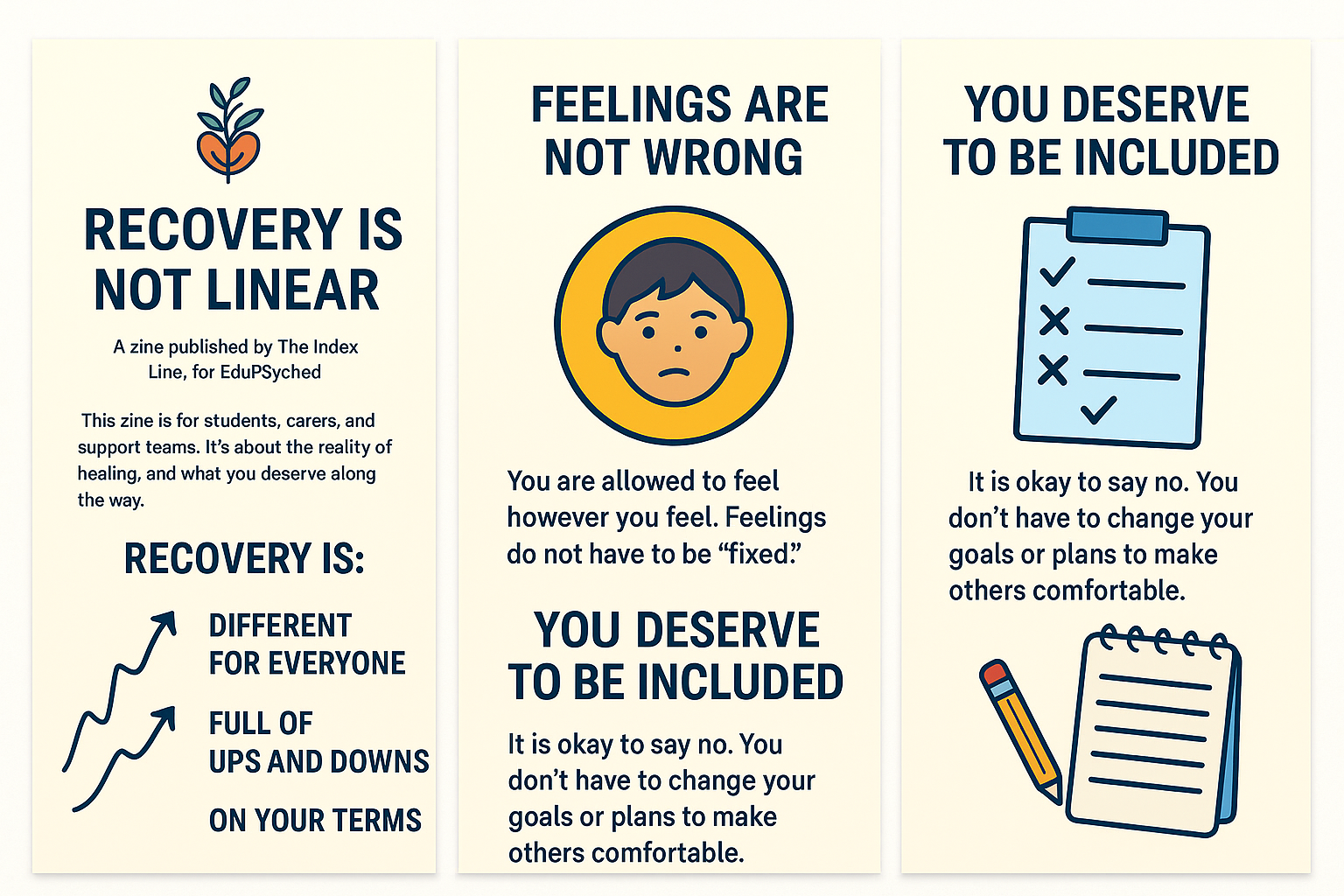
Recovery Is Not Linear

Recovery Is Not Linear

Recovery doesn’t follow a timeline. It loops, pauses, spirals, and rests. This toolkit offers visual, linguistic, and emotional support for anyone navigating healing in a system that expects progress to be linear.

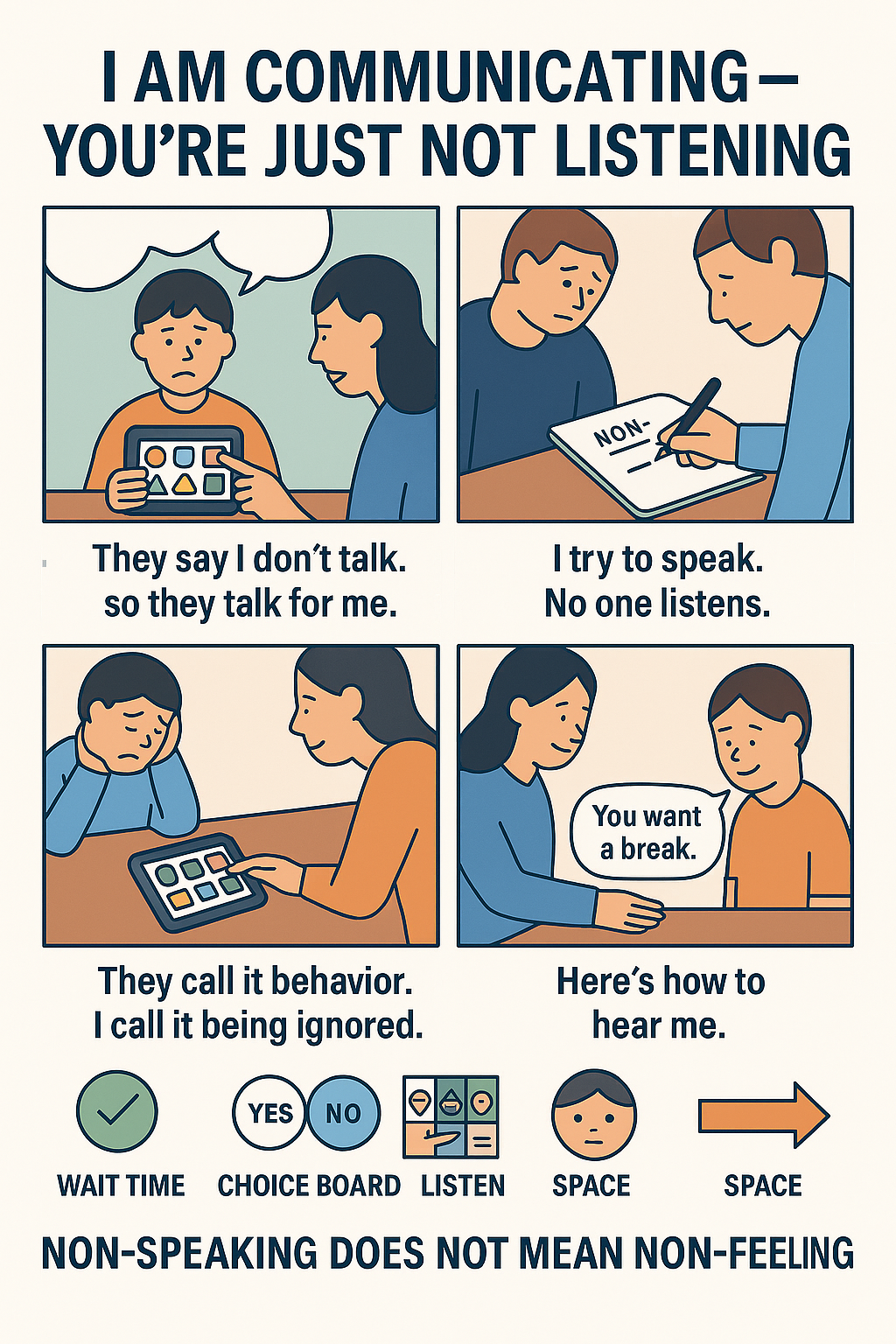
I Am Communicating – You're Just Not Listening

I Am Communicating – You're Just Not Listening

This visual essay was created to show what it feels like to be a non-speaking person in a system that often doesn't wait or listen.

Let’s Listen to Children: Restoring Agency in the NDIS

Let’s Listen to Children: Restoring Agency in the NDIS

Children are not just NDIS participants—they’re people. But under current systems, too many children are treated as cases to be managed, not individuals with choices to be respected.

This blog explores how the NDIS often sidelines child agency—and introduces new visual and Easy Read tools to make that reality more visible and changeable.

You Shouldn't Need a Law Degree to Protect a Child

You Shouldn't Need a Law Degree to Protect a Child

A four-panel visual essay featuring bold black and orange text on a beige background. Each panel includes a short message and simple line icons. Top left: “You shouldn’t need a law degree to protect a child,” with icons of a courthouse and an adult holding a child. Top right: “But too often, systems that are meant to keep kids safe…” with a scale of justice. Bottom left: “We shouldn’t need a law degree to make the system move. But sometimes we need a plan.” with a checklist icon. Bottom right: “When the system stalls, pressure needs to be applied from every angle,” with arrows pointing toward a center dot. The footer reiterates: “When the system stalls, pressure needs to be applied from every angle—fast.”

I’m Not Difficult—You Just Don’t Have the Blueprint

I’m Not Difficult—You Just Don’t Have the Blueprint

Some people are loud when they’re scared.
Some people go quiet when they’re in pain.
Some people laugh when they’re overwhelmed.
Some people cry when they’re not even sure why.

None of those reactions are wrong.
None of them mean someone is broken.
But in support systems, classrooms, and workplaces, these behaviours are often misunderstood, punished—or dismissed as “difficult.”

Here’s the truth:
People aren’t difficult.
What’s difficult is trying to support someone without the blueprint.

What is a Global Strategy for Gender Equality?

What is a Global Strategy for Gender Equality?

Gender equality is a fundamental human right and a crucial aspect of achieving a more equitable and sustainable world. A global strategy for gender equality serves as a roadmap to address the systemic barriers, discriminatory practices, and gender-based inequalities that persist worldwide. In this blog post, we will explore the key elements of a comprehensive global strategy for gender equality and its significance in creating a more inclusive society for all.

Show More

Want to make a change?

Let's talk.